Foundation Drainage Solutions
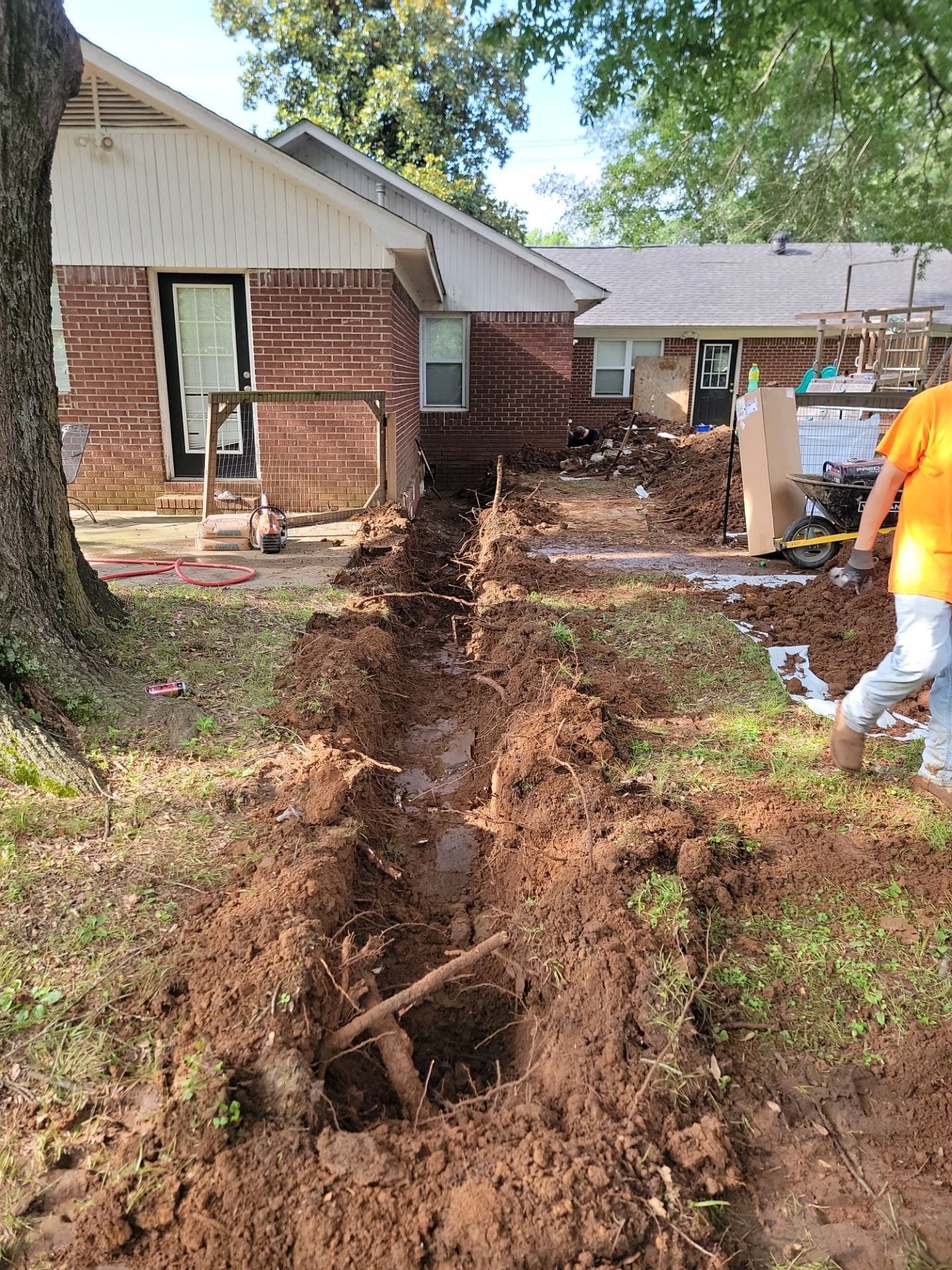
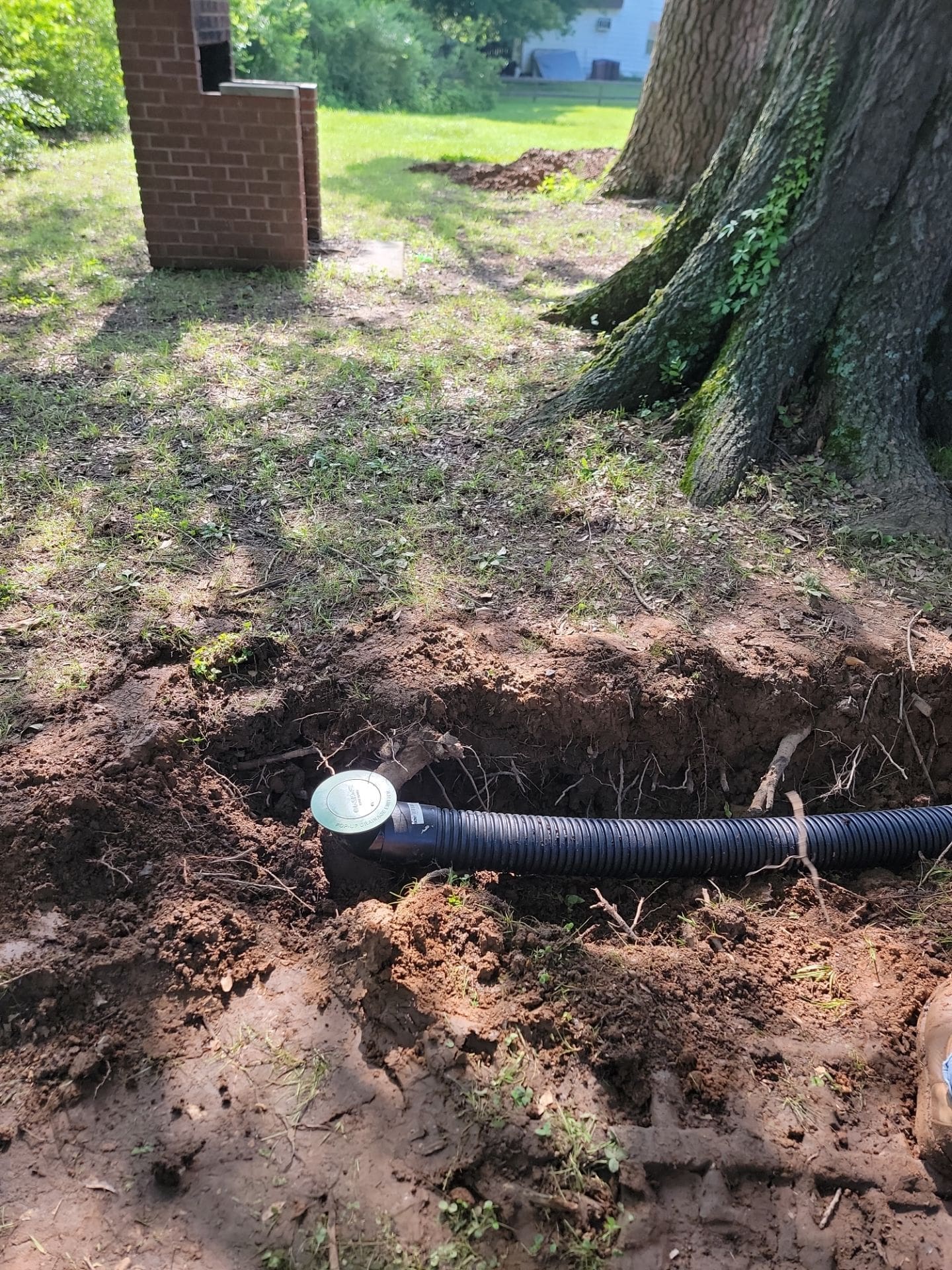
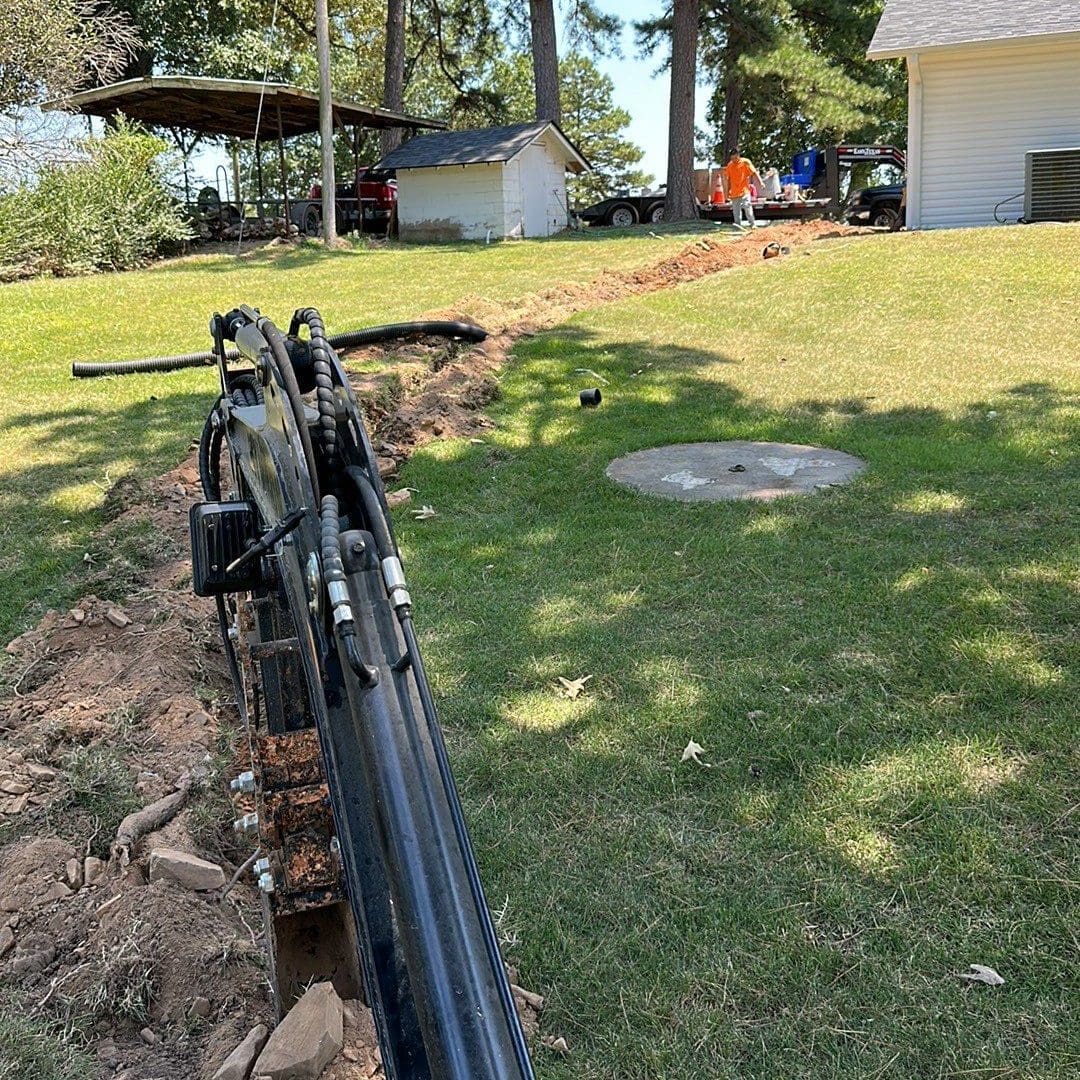
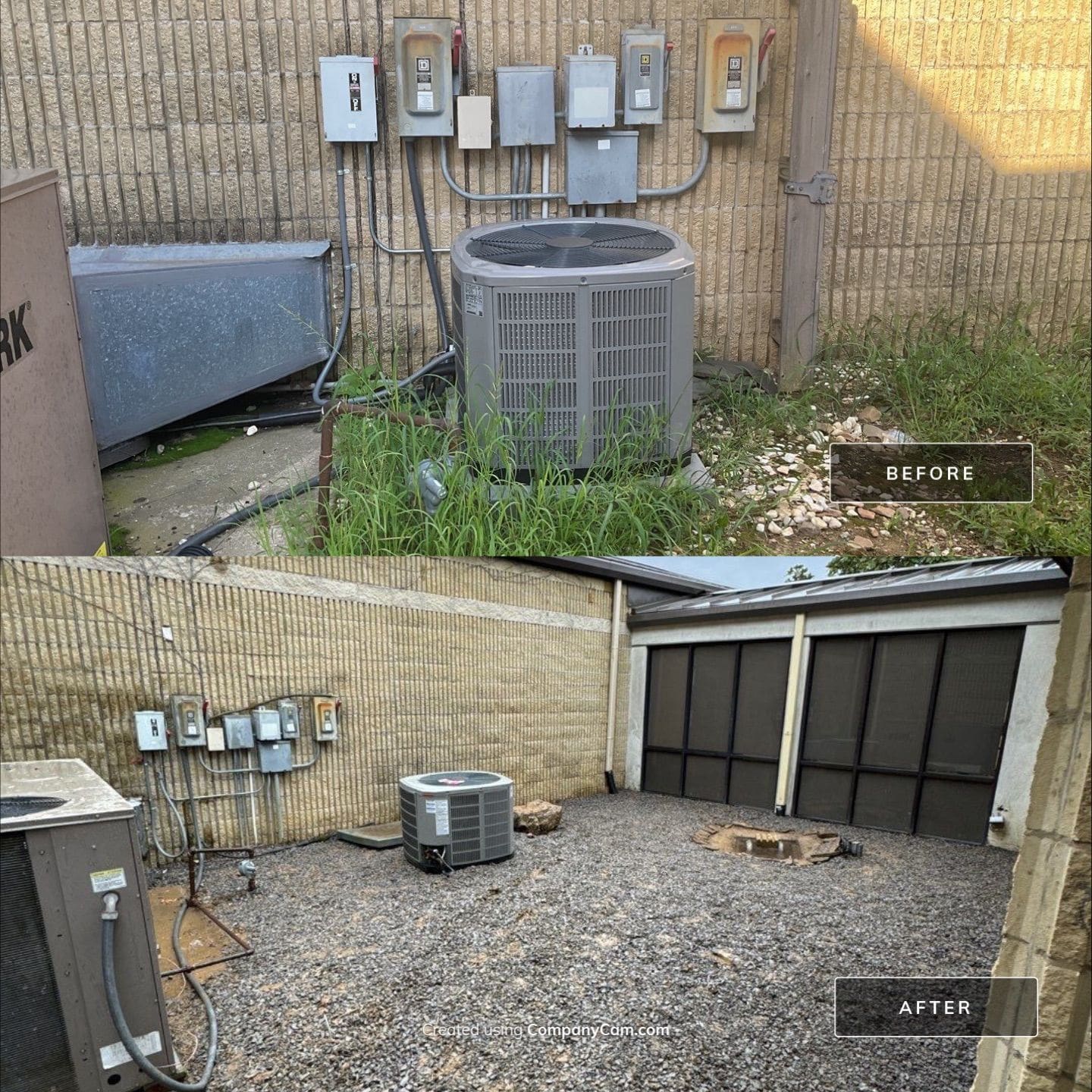
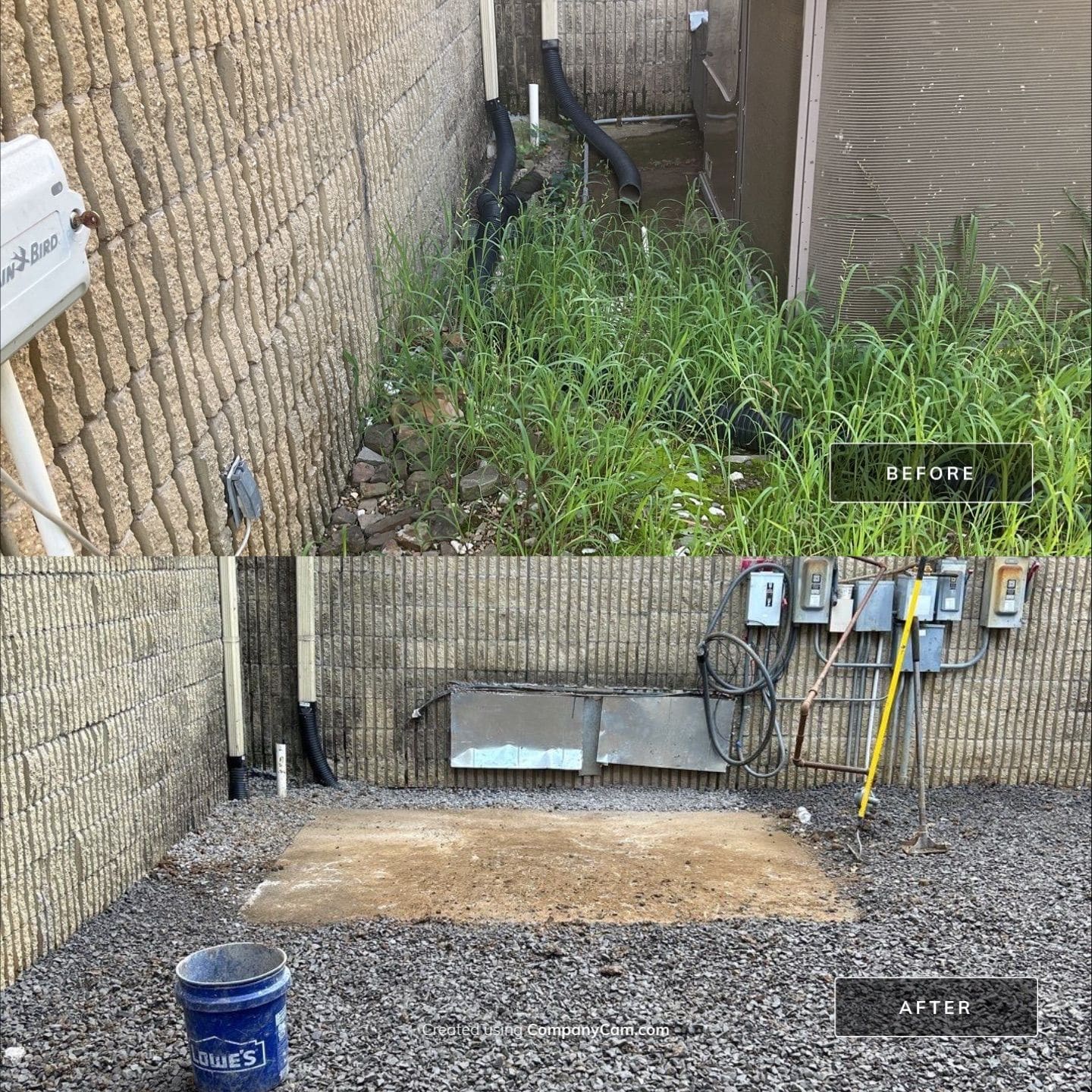
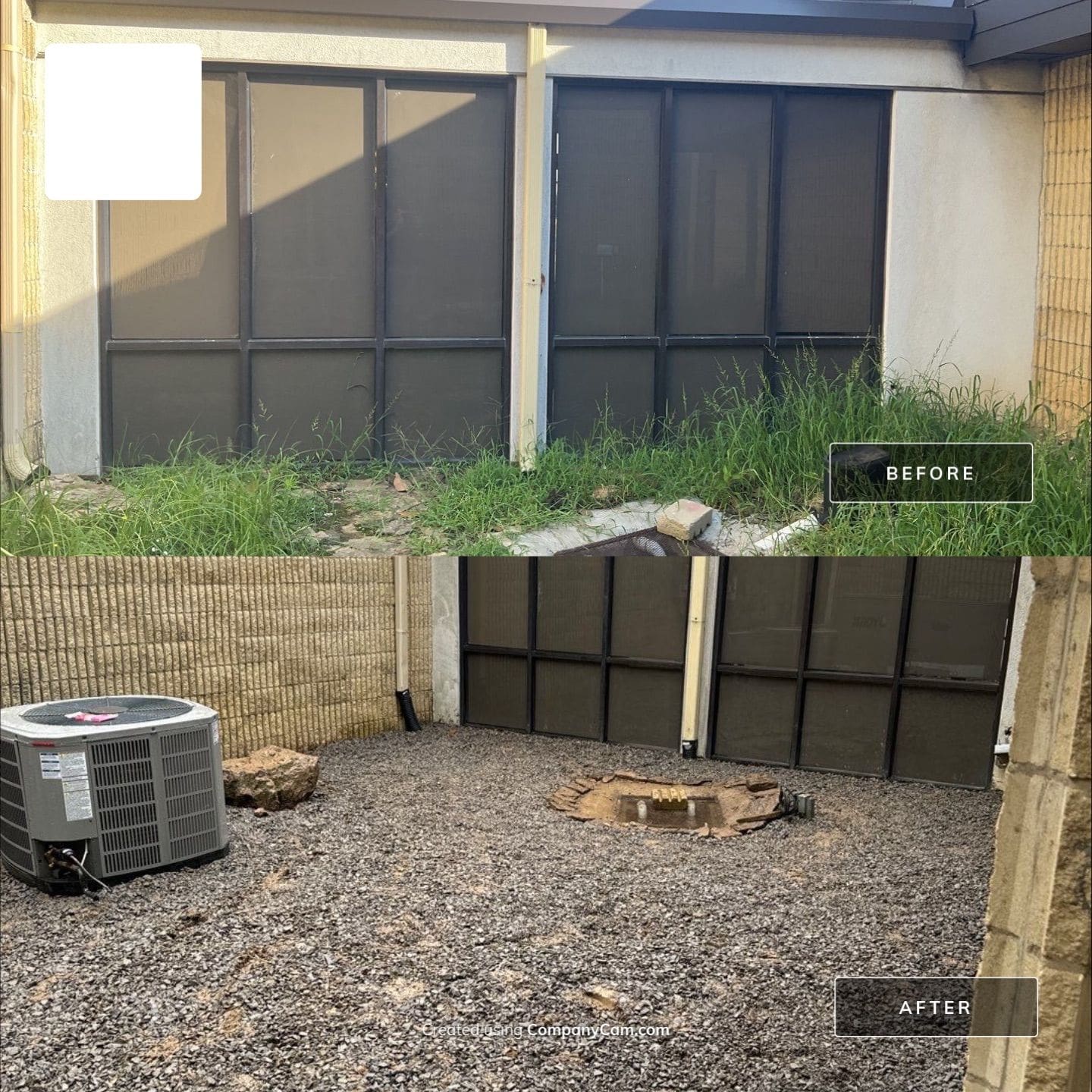
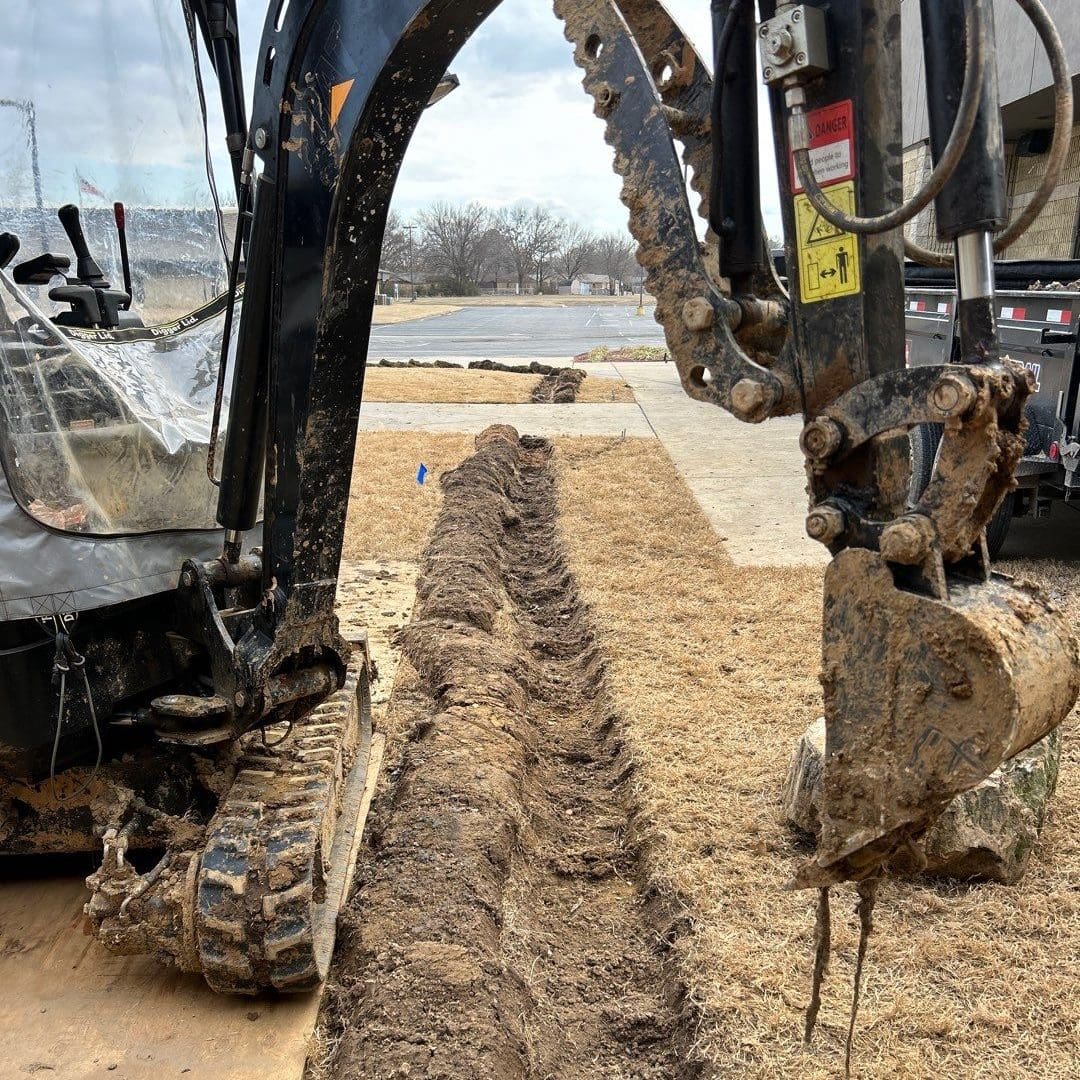
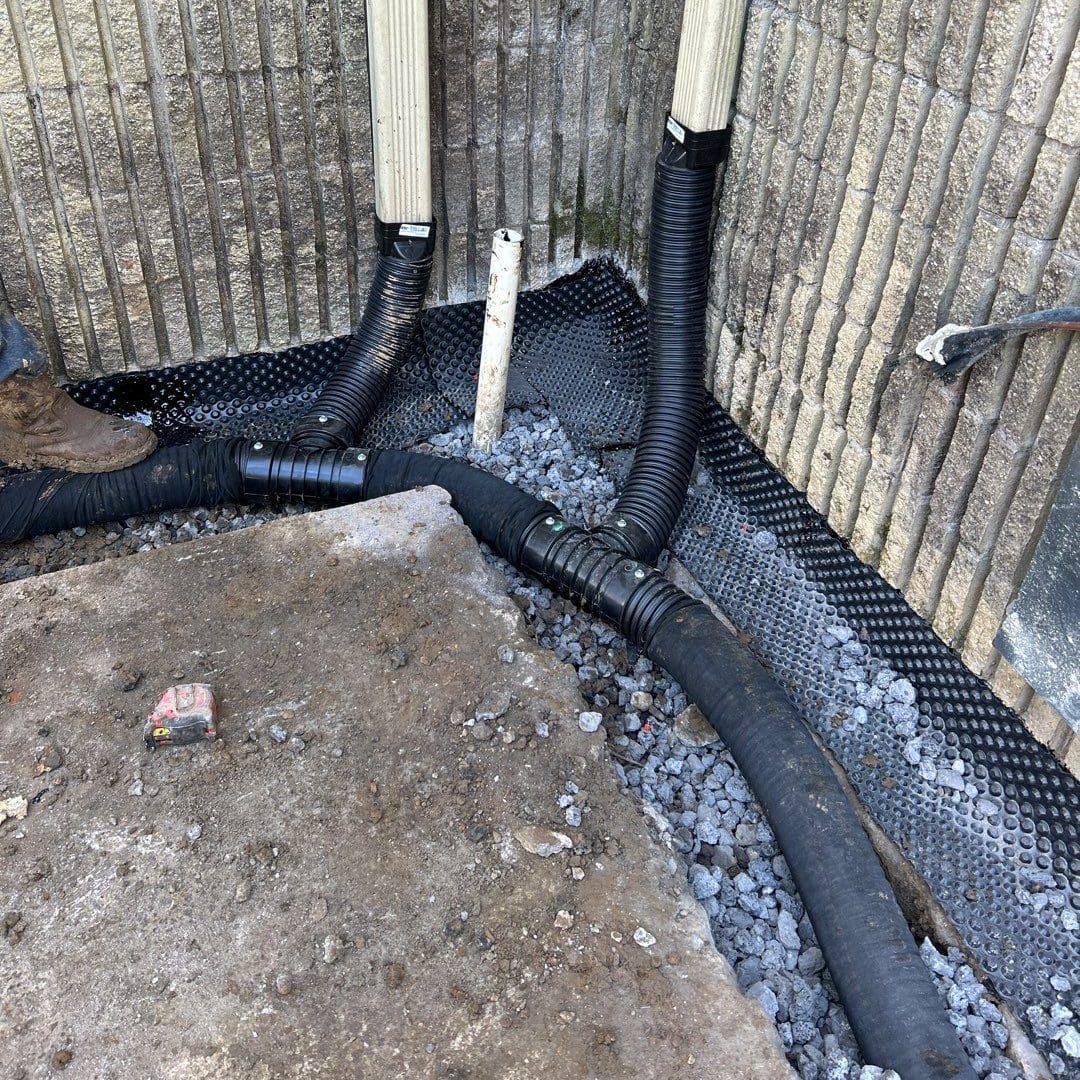
◿ French Drains
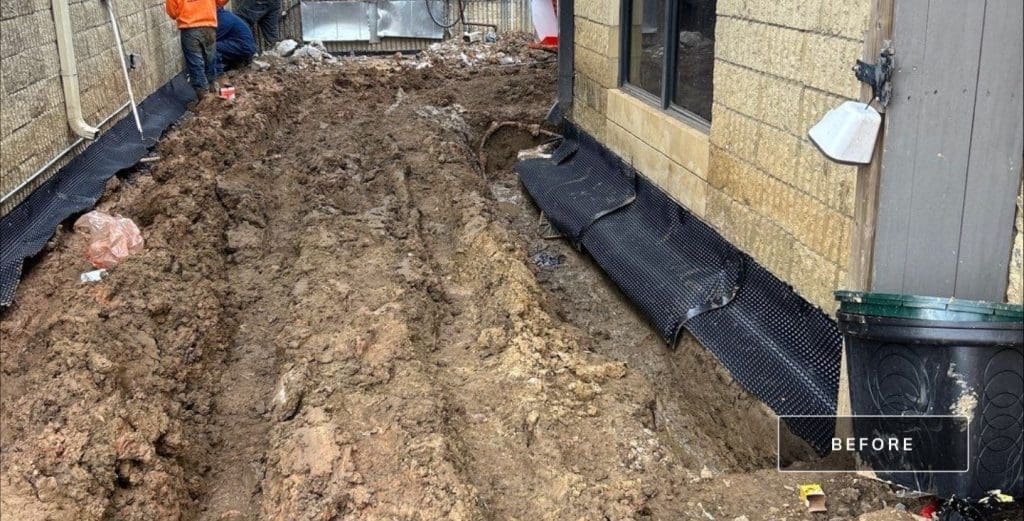
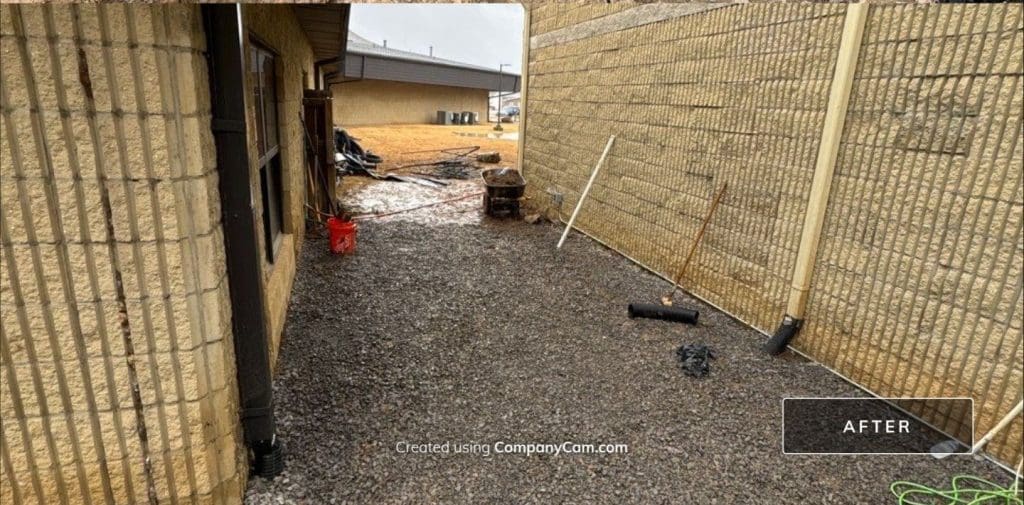
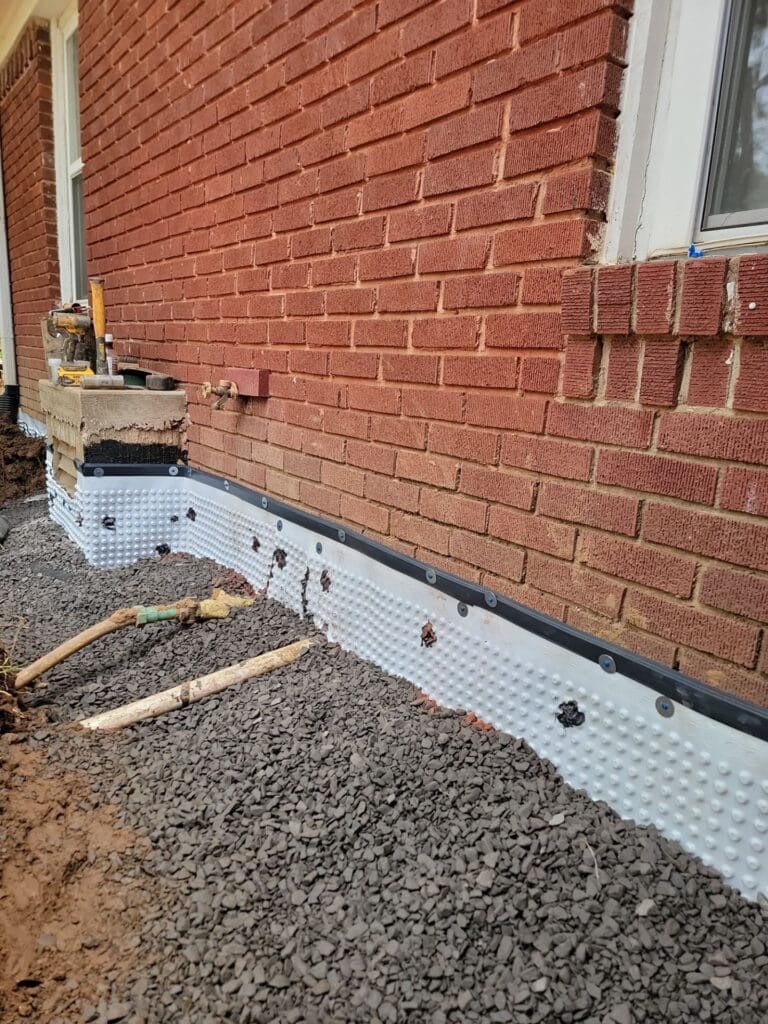
Addressing drainage issues for slab foundations is also crucial for preventing future damage. Poor drainage can lead to water accumulation, exacerbating soil erosion and instability.
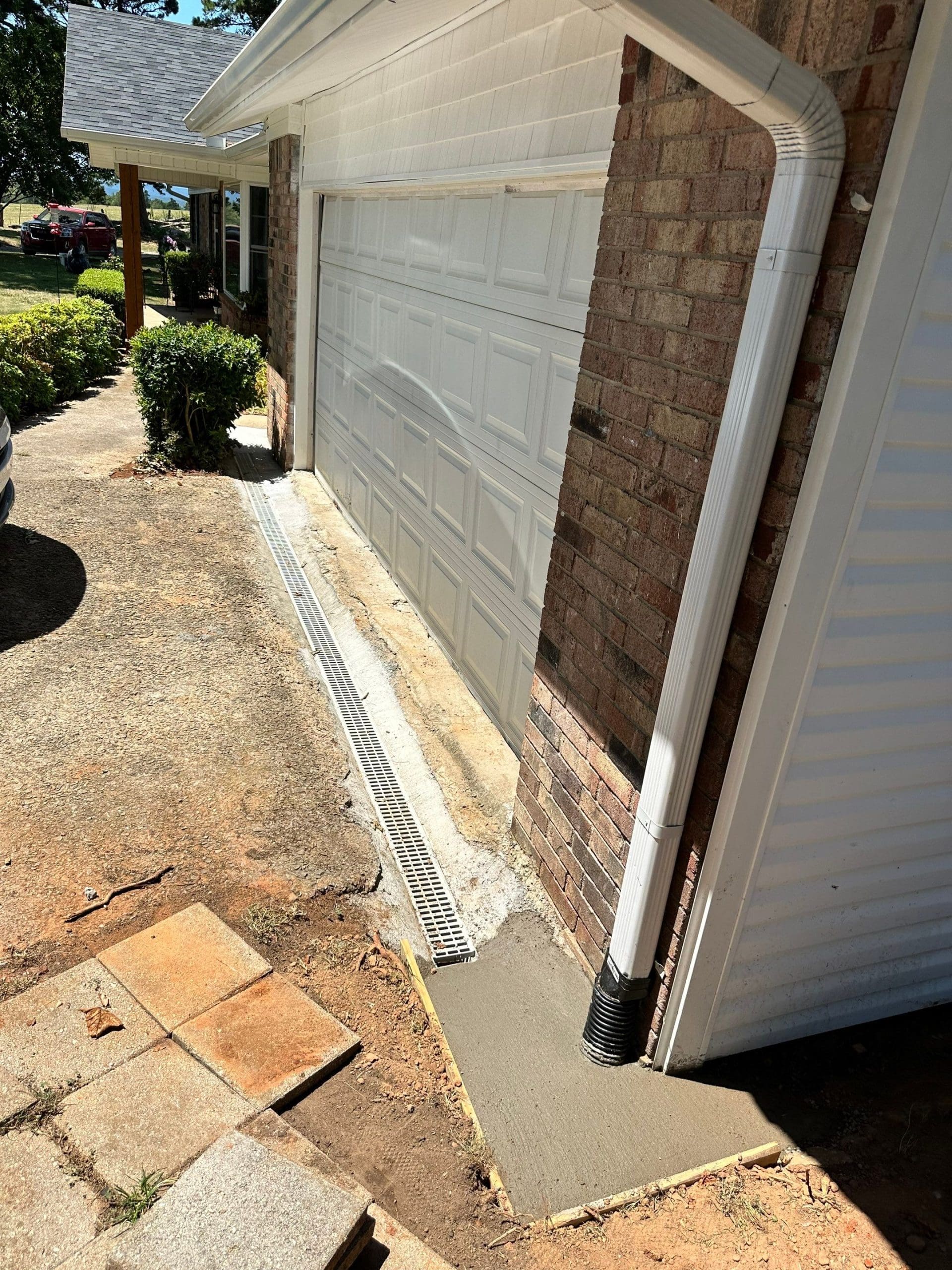
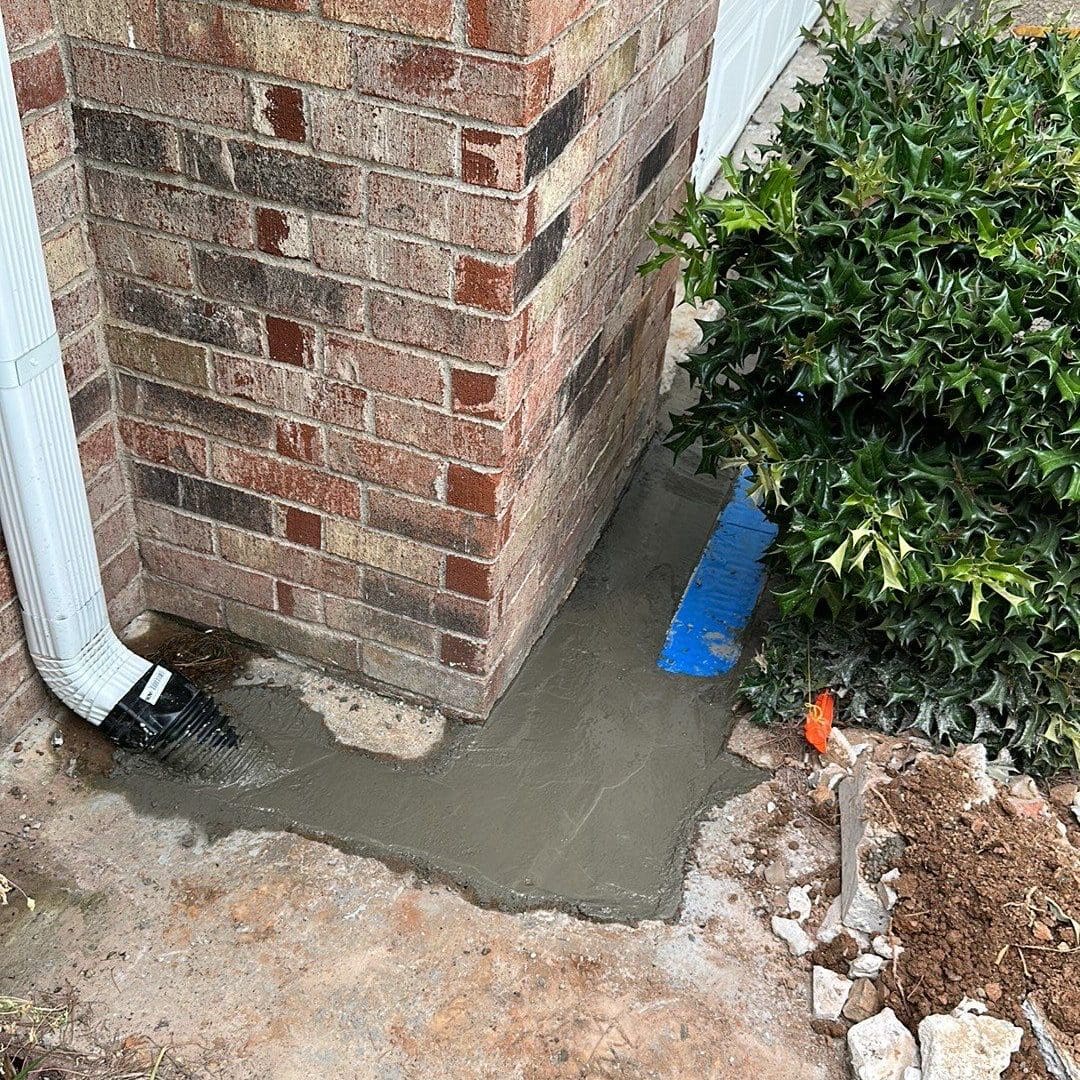
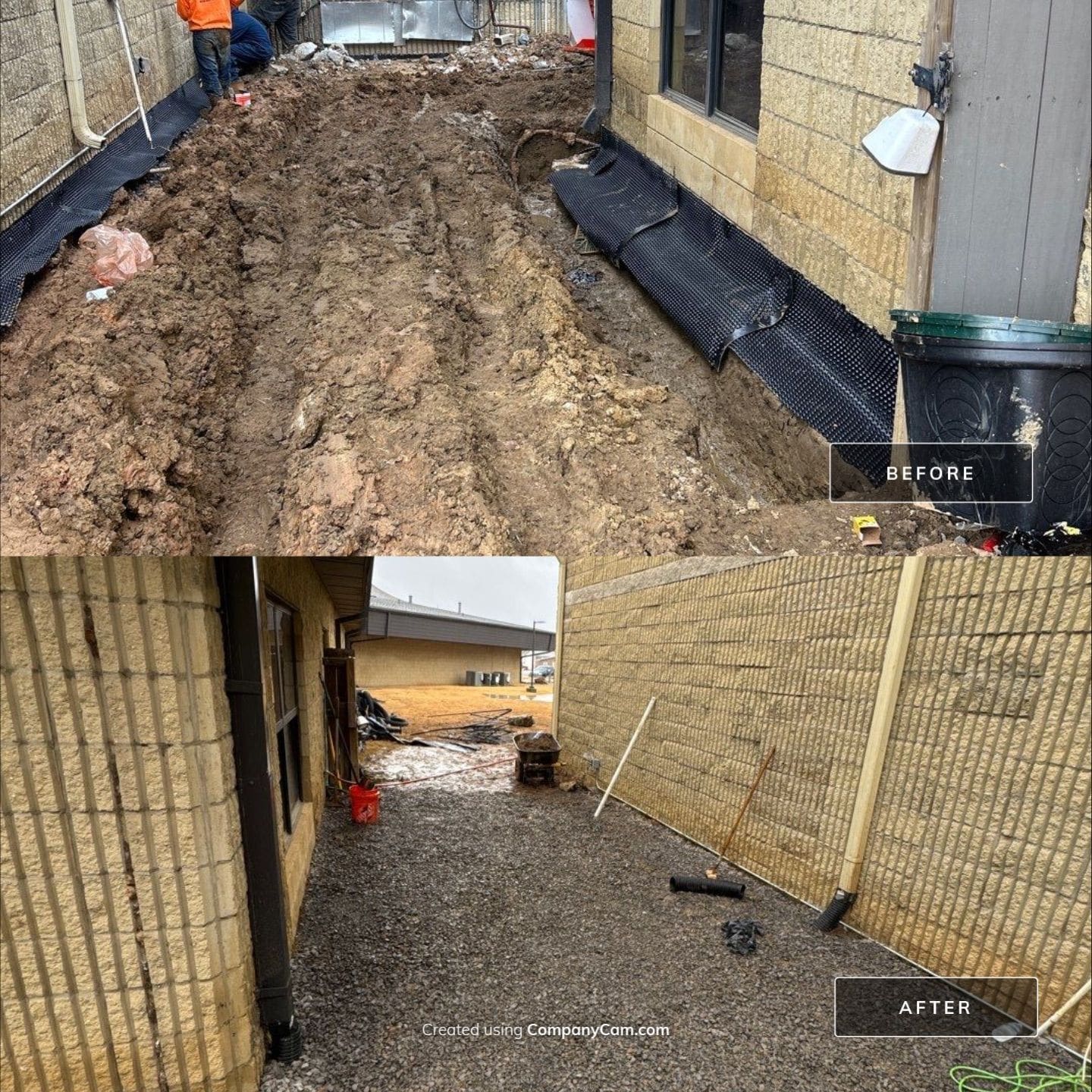
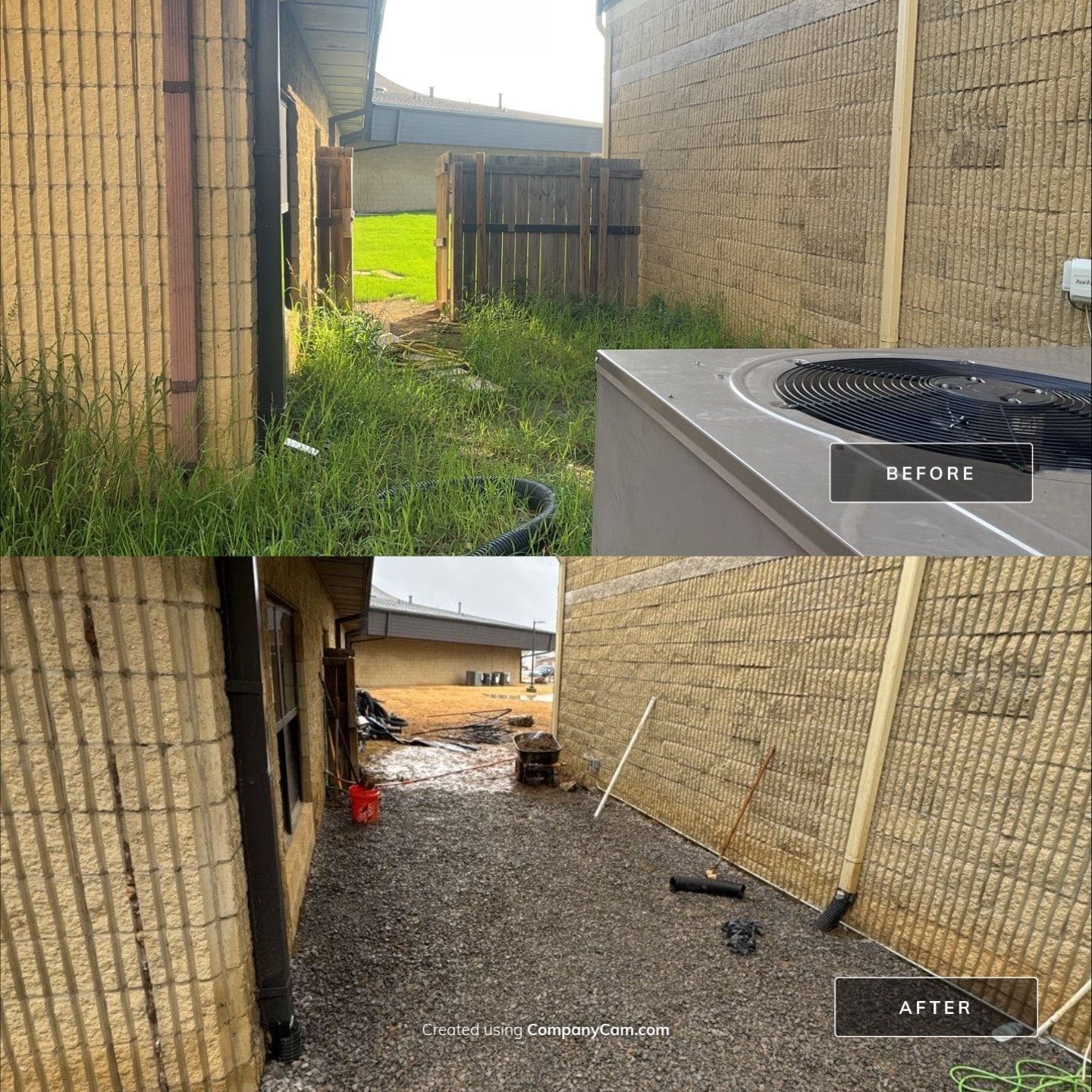
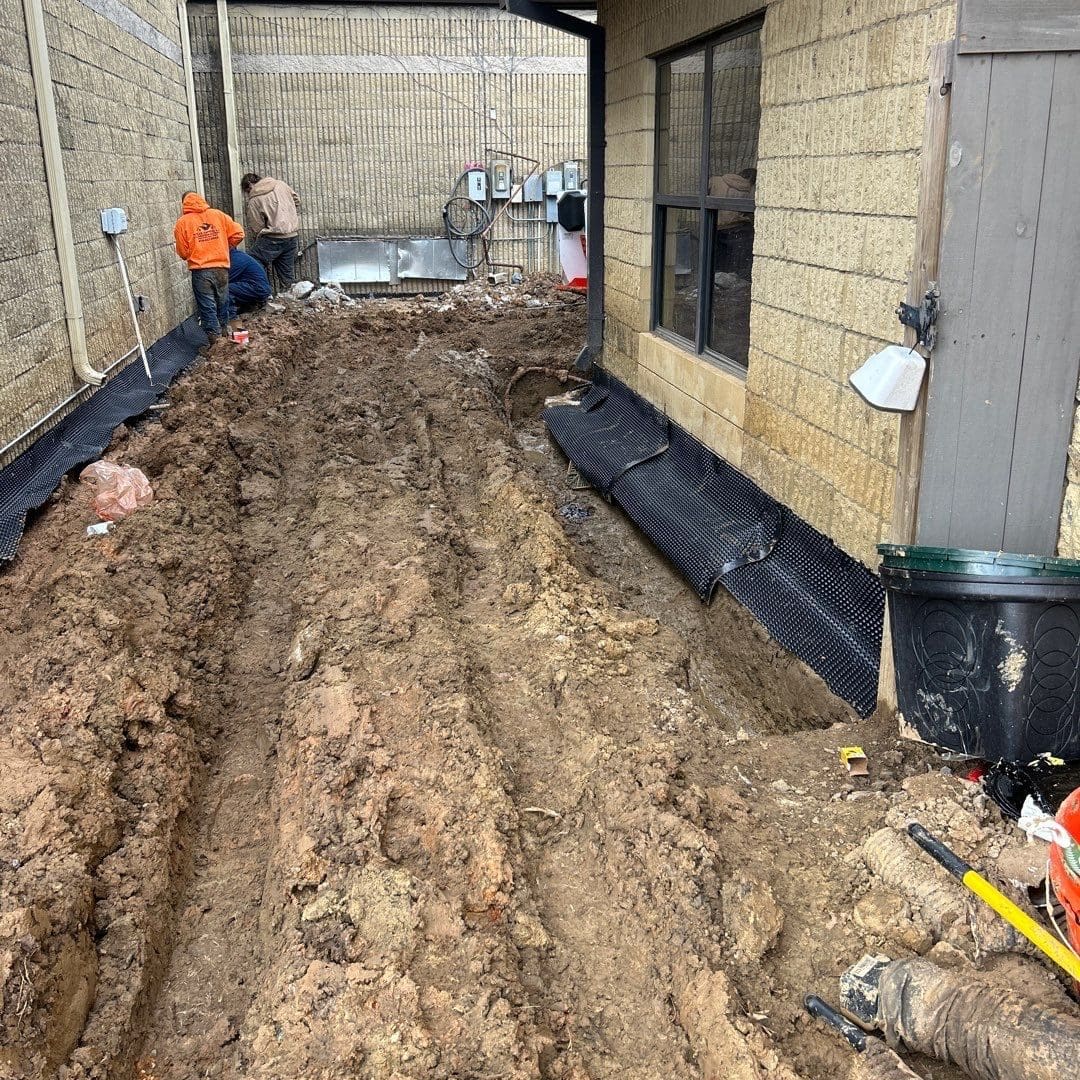
Installing French drains or surface drains around the perimeter of the building redirects excess water away from the foundation while grading the landscape away from the building ensures proper water runoff.
◿ Sump Pumps
Proper water management in crawl spaces is crucial for preventing structural damage and moisture-related issues. Incorporating sump pumps and drainage systems effectively redirects excess water, reducing the risk of mold, wood rot, and other damage.
By strategically placing sump pumps and installing drainage channels, homeowners mitigate potential problems caused by water accumulation. These measures not only protect against immediate issues but also contribute to long-term stability and durability.
Investing in these drainage solutions minimizes the need for costly repairs and ensures a consistently dry and stable crawl space environment.
Implementing these drainage solutions significantly improves the stability and longevity of a slab foundation, reducing the risk of sinking, cracking, and other structural issues.
Foundation Drainage Frequently Asked Questions
What are the signs of a foundation drainage problem?
Common signs include standing water near the foundation, soggy landscaping, soil erosion, water entering a basement or crawl space, musty odors, mold-friendly conditions, damp walls, washed-out soil, and water that remains around the home after rainfall.
Foundation cracks, sinking concrete, settlement, or recurring movement may also be connected to poor drainage. An inspection can help determine where the water is coming from, where it is collecting, and whether the property needs a French drain, surface drain, sump pump, grading correction, or another drainage solution.
What is a French drain, and how does it work?
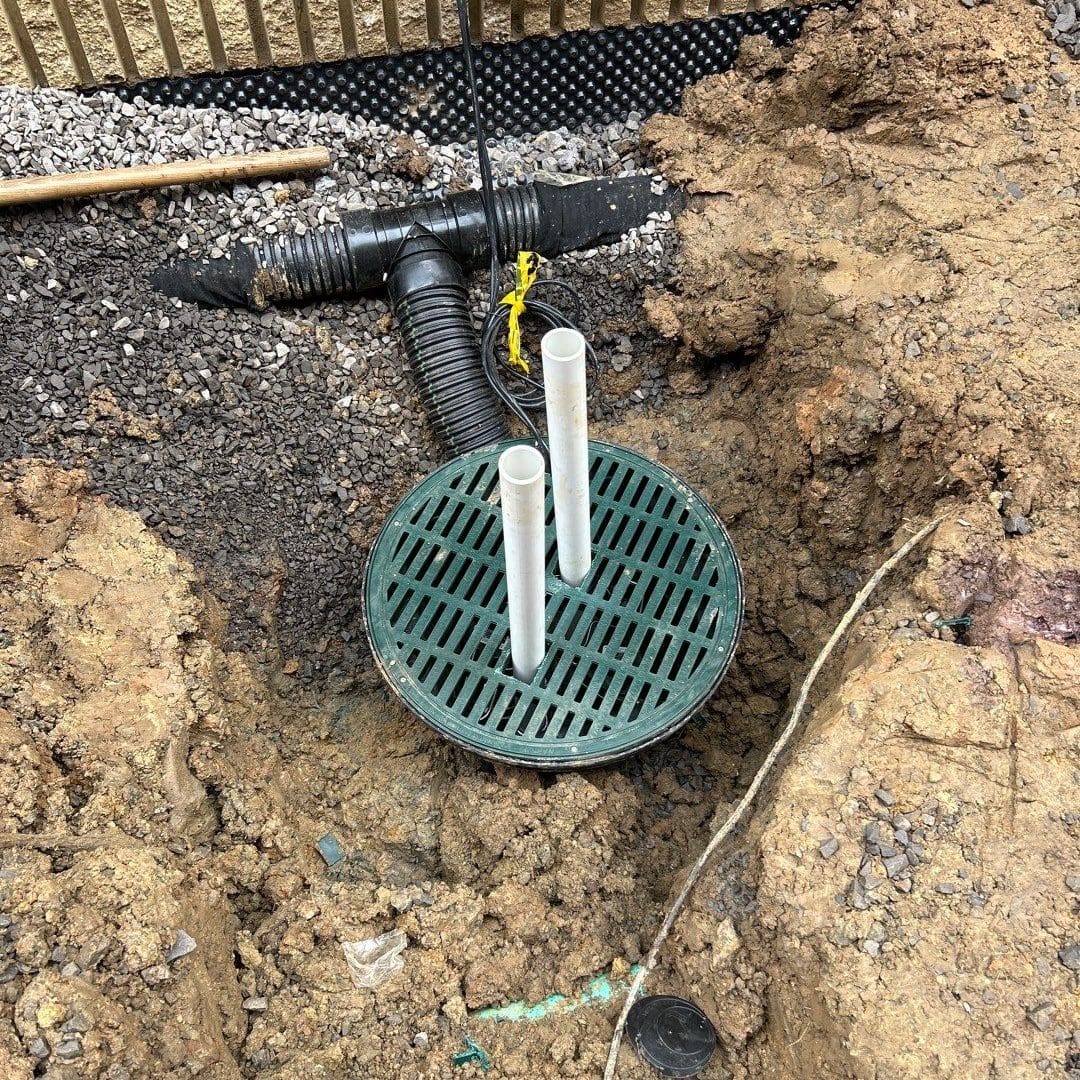
A French drain is a below-ground drainage system designed to collect and redirect water. It generally includes a perforated pipe installed in a gravel-filled trench and covered with drainage fabric or other materials that allow water to enter while helping keep soil and debris away from the pipe.
Water flows into the trench and pipe and is carried toward an appropriate discharge location. French drains may be installed around foundations, along problem areas in the yard, or in other locations where subsurface water repeatedly collects.
When does a property need a French drain?
A French drain may be recommended when water repeatedly collects beneath the soil, saturates the ground near the foundation, enters a crawl space or basement, or causes erosion and unstable soil conditions.
It can also help when a low area remains wet long after rainfall or when water moves toward the building instead of away from it. A French drain is not the correct solution for every drainage problem, so the slope, soil, water source, and available discharge area should be evaluated before installation.
What is the difference between a French drain and a surface drain?
A French drain primarily collects water moving through saturated soil below the surface. A surface drain collects water flowing across the ground, such as runoff from heavy rain, patios, driveways, roofs, or low areas in the landscaping.
Some properties need only one type of drain, while others need a combination of subsurface and surface drainage. WC Foundation Experts evaluates how the water moves across and beneath the property before recommending the appropriate system.
What does a sump pump do?
A sump pump removes water that collects in a basin or sump pit beneath a basement or crawl space. Drainage channels or pipes direct water toward the basin, and the pump moves it away from the structure through a discharge line.
Sump pumps are commonly used where groundwater, recurring seepage, or drainage systems cause water to collect below the building. The pump must be properly sized, installed, discharged, and maintained to work reliably.
Does a home ever need both a French drain and a sump pump?
Yes. A French drain or interior drainage channel may be used to collect water and direct it toward a sump basin. The sump pump then moves that water away from the foundation when gravity alone cannot provide adequate drainage.
Whether both are needed depends on the property elevation, soil, basement or crawl space construction, water source, and available discharge location. WC Foundation Experts designs the drainage system around the conditions found during the inspection.
Can gutters, downspouts, and grading solve foundation drainage problems?
Proper gutters, downspouts, and landscaping slope are important parts of foundation water management. Extending downspouts away from the building and grading the ground so water flows away from the foundation may resolve minor runoff problems.
However, these improvements may not be enough when the property has groundwater, subsurface water, low areas, recurring basement or crawl space leaks, or soil that remains saturated. Those conditions may require a French drain, surface drainage, sump pump, or another professionally designed solution.
Can foundation drainage stop basement and crawl space water?
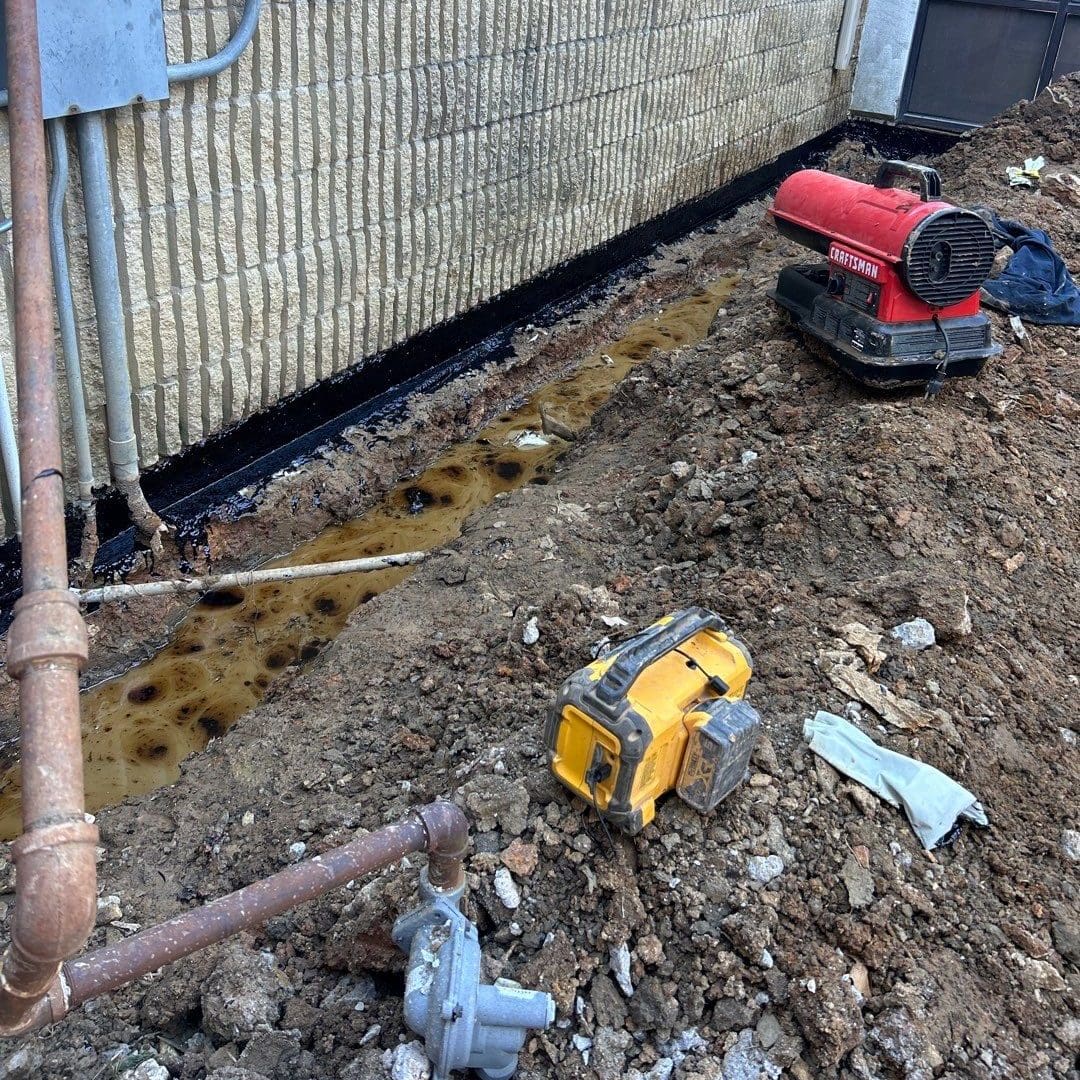
Drainage can help reduce water entering basements and crawl spaces when groundwater, surface runoff, saturated soil, or poor grading is contributing to the problem. French drains, drainage channels, surface drains, and sump pumps can collect and redirect water before it spreads beneath the building.
Drainage will not repair plumbing leaks, damaged foundation walls, open cracks, failed waterproofing, or structural movement by itself. The best solution may combine drainage with basement sealing, crawl space encapsulation, crack repair, or foundation stabilization.
Can a drainage system prevent the need for foundation repair?
Correcting drainage can reduce ongoing soil erosion, moisture changes, and water pressure that may contribute to future foundation movement. Addressing water problems early may help protect the foundation and reduce the risk of additional damage.
However, drainage cannot reverse settlement, repair damaged supports, close structural cracks, or stabilize a foundation that has already moved. If structural damage is present, WC Foundation Experts may recommend both foundation repair and drainage improvements.
How much does a French drain or sump pump system cost?
The cost depends on the type and length of the drainage system, excavation depth, soil and rock conditions, site access, amount of water, discharge location, pump requirements, electrical needs, landscaping restoration, and whether the project also requires waterproofing or foundation repair.
A short surface-drain project will have a different scope from a full French-drain and sump-pump system. An on-site inspection is the most reliable way to identify the water source and prepare an estimate based on the property’s actual conditions.
Do French drains and sump pumps require maintenance?
Drainage systems should be inspected periodically to ensure that inlets, outlets, pipes, and discharge locations remain clear. Leaves, sediment, roots, landscaping materials, and debris can reduce drainage performance over time.
Sump pumps should be tested regularly, especially before seasons of heavy rainfall. The basin, float switch, check valve, discharge line, electrical connection, and backup system should be checked when applicable. WC Foundation Experts can explain the maintenance needs and limited lifetime warranty terms associated with the installed system.
Click Below to View Our Gallery