Foundation Repair
◿Foundation Check List
Buildings rely on crawl space, concrete basements, or concrete slab foundations for stability. Foundations are susceptible to shifting earth movements over time. Factors like soil compaction and composition, moisture content, erosion, gravity, and fault lines influence structural stability. Termite infestations and mold also pose a threat to some foundations.
At WC Foundation Experts, we offer complimentary site inspections to assess your home or business foundation. Structural issues may indicate a faulty foundation, leading to escalating problems. Timely intervention is crucial to prevent further damage. Our experienced team specializes in effective identification and resolution of foundation issues.
Foundation Check List:
- Basement Foundations: Look for bowing or cracking in concrete and masonry, and signs of groundwater leakage.
- Crawl Space Foundations: Inspect for damaged piers, footings, wood beams, sagging floors, and cracked masonry.
- Concrete Slab Foundations: Watch for cracks or sinking due to poor soil compaction, erosion, or drainage issues.
Foundation Repair Frequently Asked Questions
Foundation problems can look different depending on the type of structure, soil conditions, drainage, and extent of movement. These answers address common questions from homeowners and businesses considering foundation repair in Western Arkansas and Eastern Oklahoma.
How do I know if my foundation needs repair?
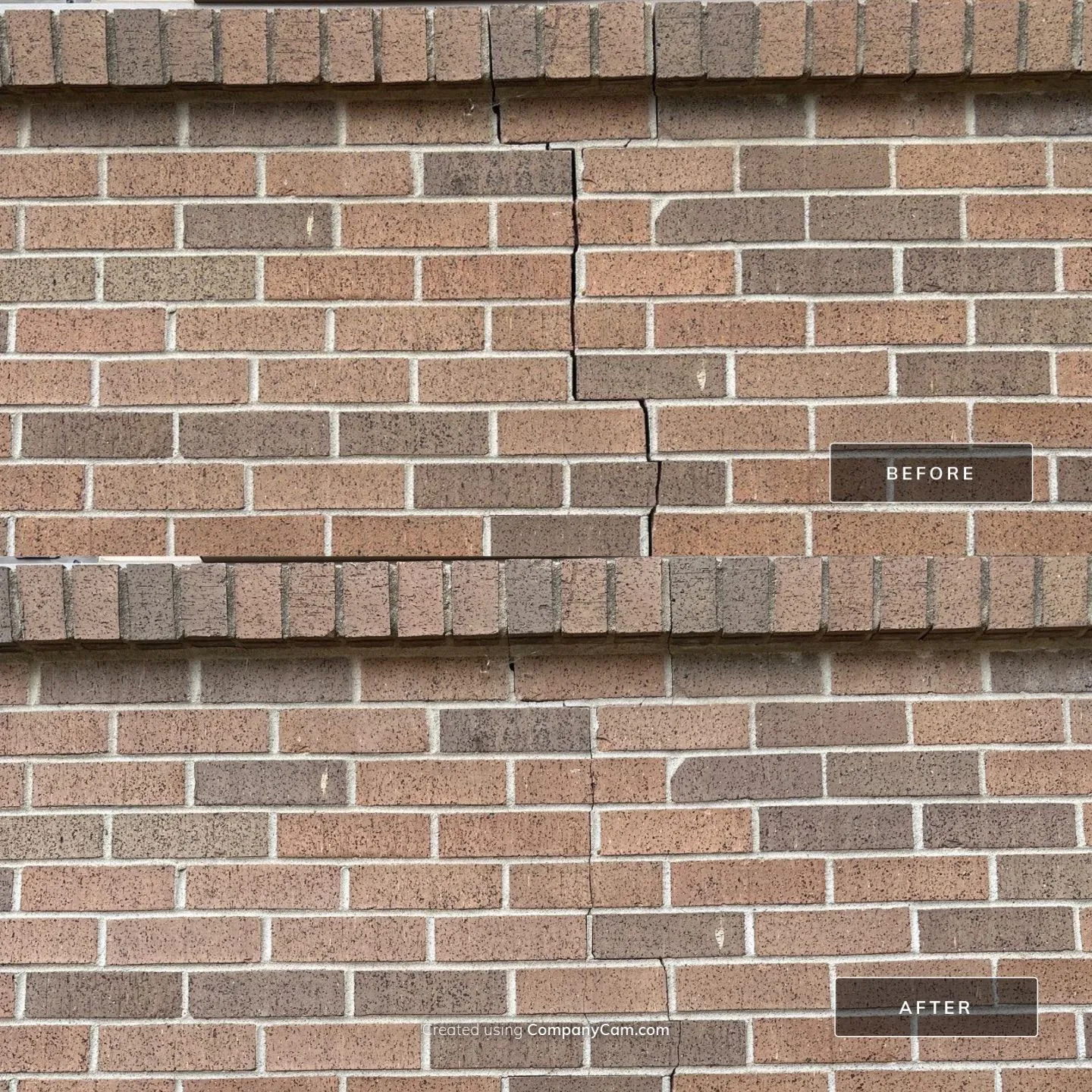
Common signs of possible foundation trouble include cracks in brick, mortar, drywall, concrete, or flooring; doors and windows that stick or no longer close properly; sagging or uneven floors; gaps between walls and ceilings; bowing basement walls; and damaged crawl space piers, beams, footings, or joists.
One symptom does not always confirm a serious structural problem. However, multiple warning signs, cracks that continue to grow, or noticeable changes in the building should be professionally evaluated. WC Foundation Experts can inspect the foundation, identify visible movement or damage, and recommend an appropriate repair plan.
Are all foundation cracks serious?
Not every crack means that a foundation is failing. Small cracks can develop as concrete cures or as a building experiences normal movement. Other cracks may indicate settlement, shifting soil, water intrusion, pressure against basement walls, or structural movement.
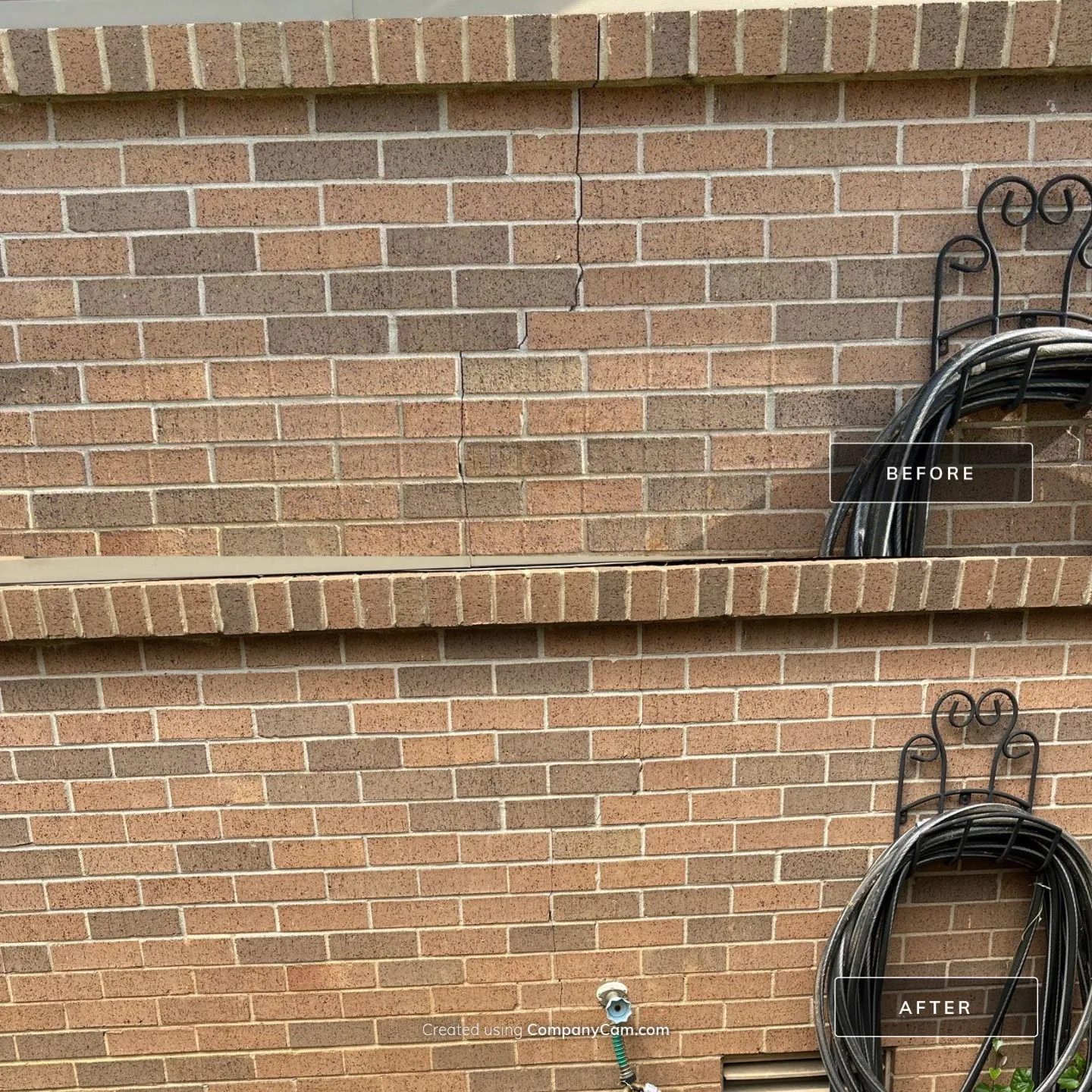
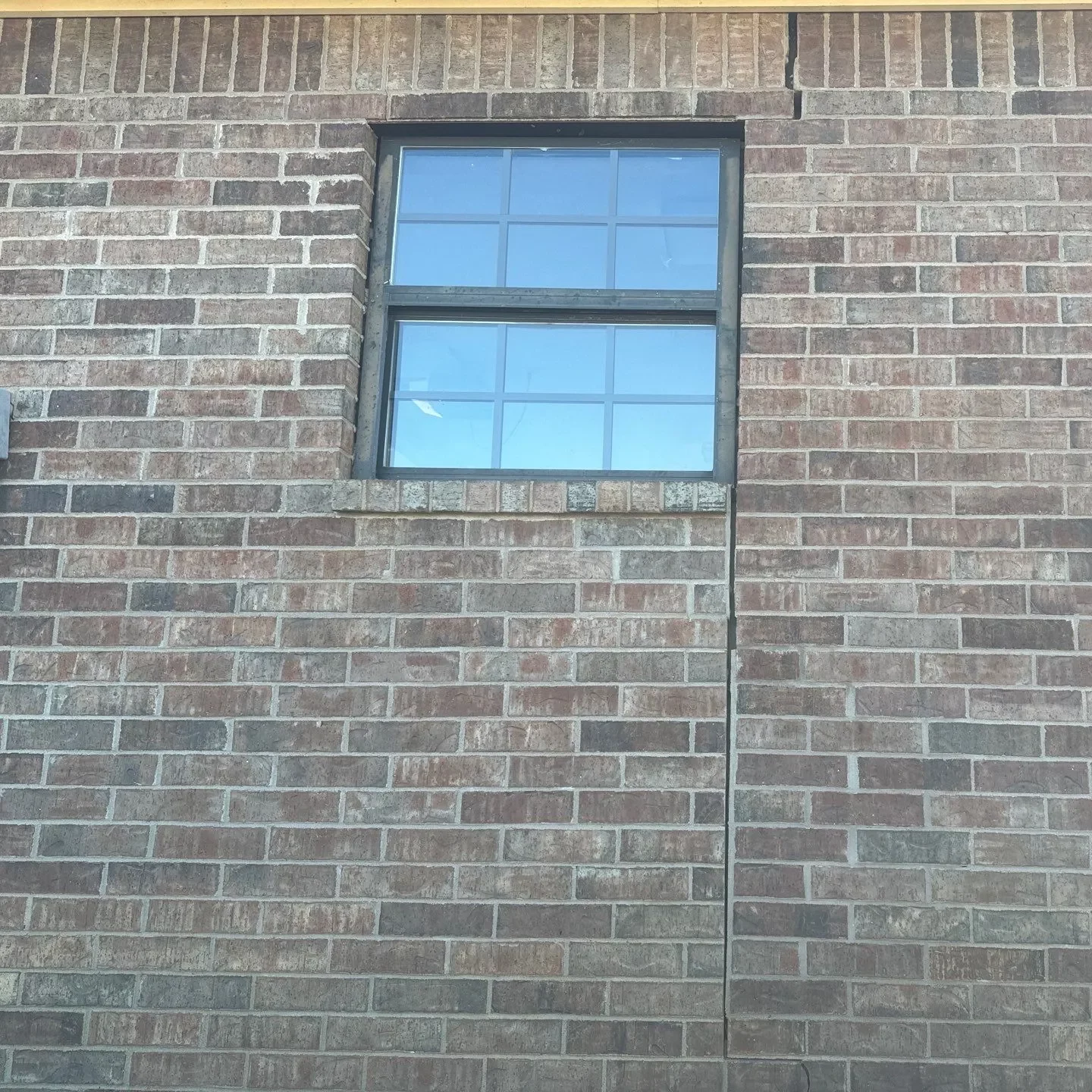
The crack’s location, width, direction, and rate of change all matter. Stair-step cracks in masonry, widening cracks, horizontal basement wall cracks, and cracks accompanied by uneven floors or sticking doors deserve prompt attention. A professional inspection is the safest way to determine whether a crack is cosmetic or connected to a larger foundation problem.
What causes foundation problems in Arkansas and Oklahoma?
Foundation movement can be caused by changing soil moisture, poorly compacted soil, erosion, inadequate drainage, groundwater, plumbing leaks, and the natural expansion or contraction of soil. Periods of heavy rain followed by dry weather can create changing conditions beneath and around a foundation.
Crawl space foundations may also be affected by deteriorated wood, damaged supports, moisture, mold, or termite activity. The correct repair begins with identifying the actual cause. Repairing a visible crack without addressing settlement, moisture, drainage, or damaged structural components may not provide a lasting solution.
What types of foundations does WC Foundation Experts repair?
WC Foundation Experts evaluates and repairs concrete slab foundations, crawl space foundations, and basement foundations for residential and commercial properties.
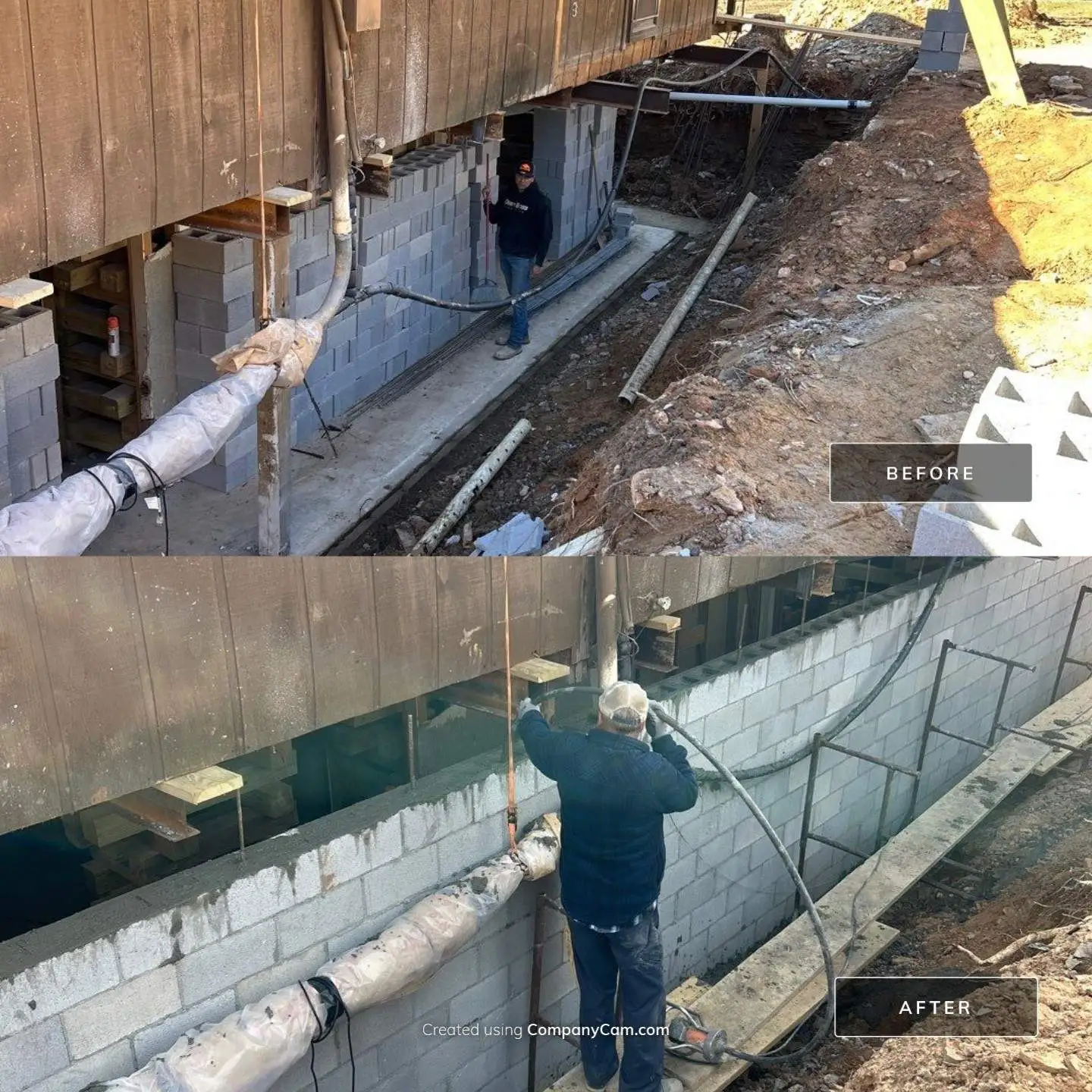
Slab foundation concerns may include cracking, sinking, settlement, and movement caused by soil or drainage conditions. Crawl space repairs may involve damaged piers, beams, joists, footings, or uneven floors. Basement foundation problems can include cracking, bowing walls, settlement, and groundwater intrusion. Each type of foundation requires a repair plan based on its construction, condition, and underlying cause.
How do you determine the right foundation repair method?
The appropriate foundation repair method depends on the foundation type, amount and direction of movement, soil conditions, structural damage, access to the repair area, and whether water or drainage is contributing to the problem.
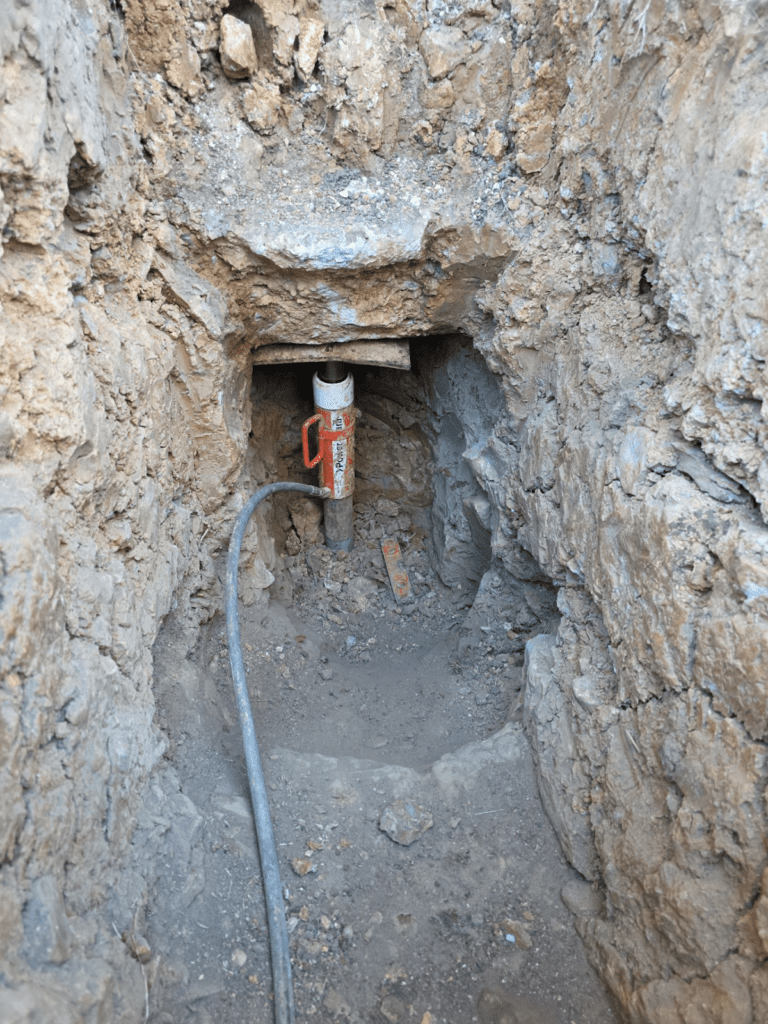
During an inspection, WC Foundation Experts evaluates the visible symptoms and supporting structure instead of recommending the same solution for every property. Depending on the findings, the repair may involve stabilization, re-leveling, structural support repairs, push piers, helical piers, or drainage improvements. The proposed repair should address the cause of the movement as well as the visible damage.
What are push piers and helical piers?
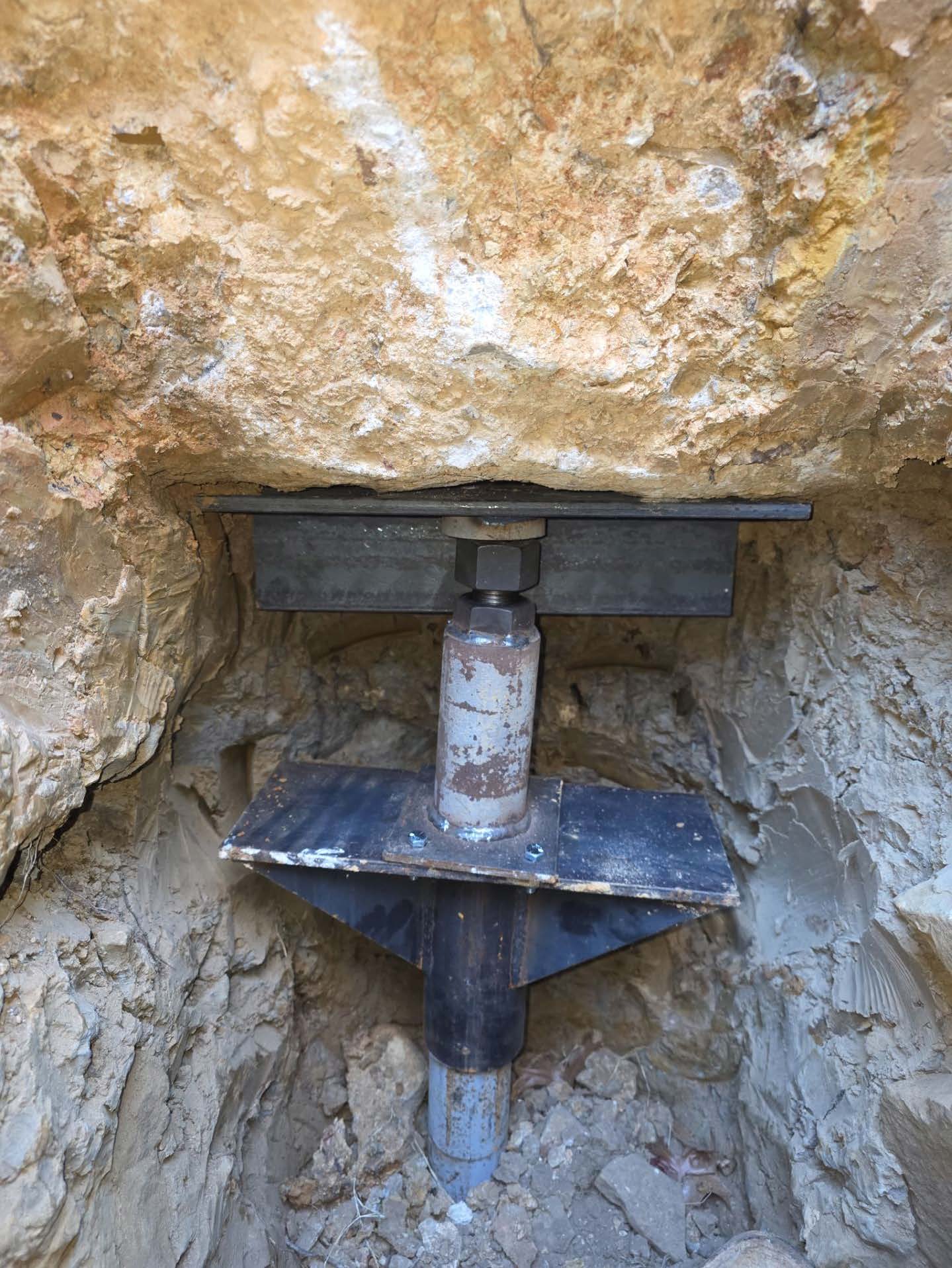
Push piers and helical piers are foundation-support systems used to transfer the weight of a structure to stronger, more stable soil.
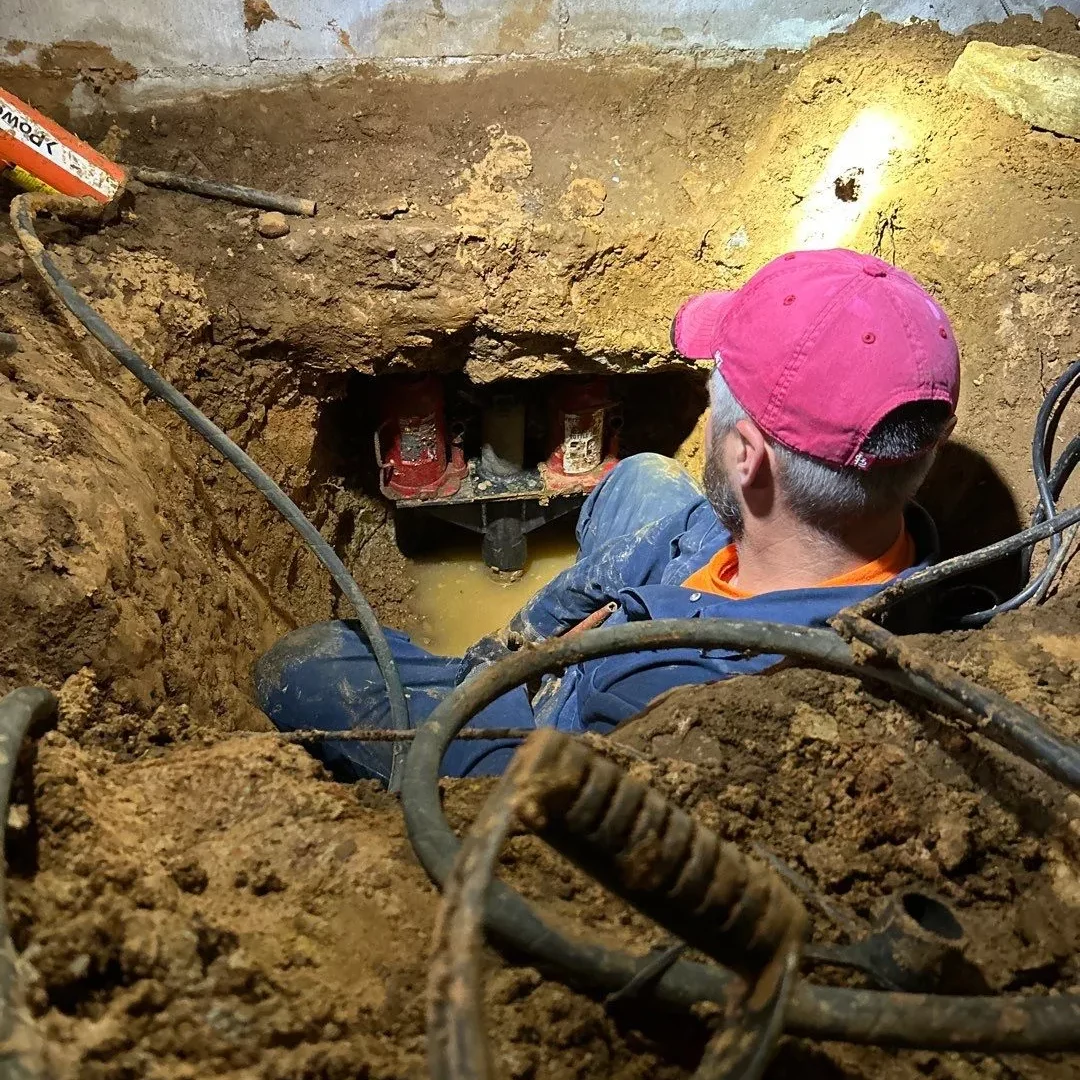
Push piers are driven into the ground using the weight of the structure until they reach suitable load-bearing material. Helical piers have screw-like plates that are rotated into the soil and may be used for stabilization, lifting, or supporting certain structures and foundations.
The correct system depends on the building, soil, foundation, and repair requirements. WC Foundation Experts is certified to install PierTech helical and push pier systems and Stabil-Loc push pier systems.
Can poor drainage cause foundation damage?
Yes. Water that collects beside or beneath a foundation can erode soil, change soil moisture levels, increase pressure against basement walls, enter crawl spaces, and contribute to settlement or movement.
Signs of drainage-related problems may include standing water, wet crawl spaces, basement leaks, soil washing away from the foundation, or recurring moisture after rain. When drainage is contributing to foundation damage, structural repair alone may not solve the entire problem. The repair plan may also need to include grading corrections, drainage channels, French drains, surface drains, sump pumps, or another method of redirecting water.
Can foundation repair fix uneven floors, sticking doors, and wall cracks?
Uneven floors, sticking doors and windows, and cracks in walls or ceilings can be caused by foundation movement, but these symptoms may also have other causes. When foundation settlement or damaged structural supports are responsible, stabilization or re-leveling may improve the conditions.
Results depend on the age of the building, severity of movement, construction materials, and length of time the problem has existed. Some cosmetic repairs may still be needed after the foundation is stabilized. An inspection helps determine which symptoms are foundation-related and what level of correction may reasonably be expected.
How much does foundation repair cost?
Foundation repair costs vary because every structure and foundation problem is different. The price may be affected by the foundation type, extent of movement, number of areas requiring support, repair method, soil conditions, access, structural damage, and whether drainage or moisture improvements are also needed.
A small crawl space support repair will not have the same scope as stabilizing a settling slab or repairing a damaged basement foundation. WC Foundation Experts begins with an inspection so the estimate can be based on the property’s actual condition and the recommended repair rather than a generic price range.
How long does foundation repair take?
The timeline depends on the size of the building, foundation type, extent of damage, repair method, site access, weather, and whether additional drainage or structural work is required.
Some repairs may be completed relatively quickly, while larger stabilization, re-leveling, or pier installation projects require more time. After inspecting the property, WC Foundation Experts can explain the proposed scope, expected schedule, and any preparation needed before work begins. Many foundation repairs can be completed without requiring occupants to permanently leave the property, although project-specific conditions should be discussed during the estimate.
Do you offer foundation inspections and a warranty?
WC Foundation Experts offers complimentary site inspections to evaluate potential foundation concerns for homes and businesses. The inspection helps identify visible signs of movement, damaged supports, moisture concerns, and other conditions that may affect the recommended repair.
WC Foundation Experts also provides limited lifetime warranty protection with its services. Coverage may depend on the repair performed and the terms of the written agreement. Property owners should review the specific warranty details included with their proposal so they understand the covered work, conditions, and any transfer or maintenance requirements.
Click Below to View Our Gallery