
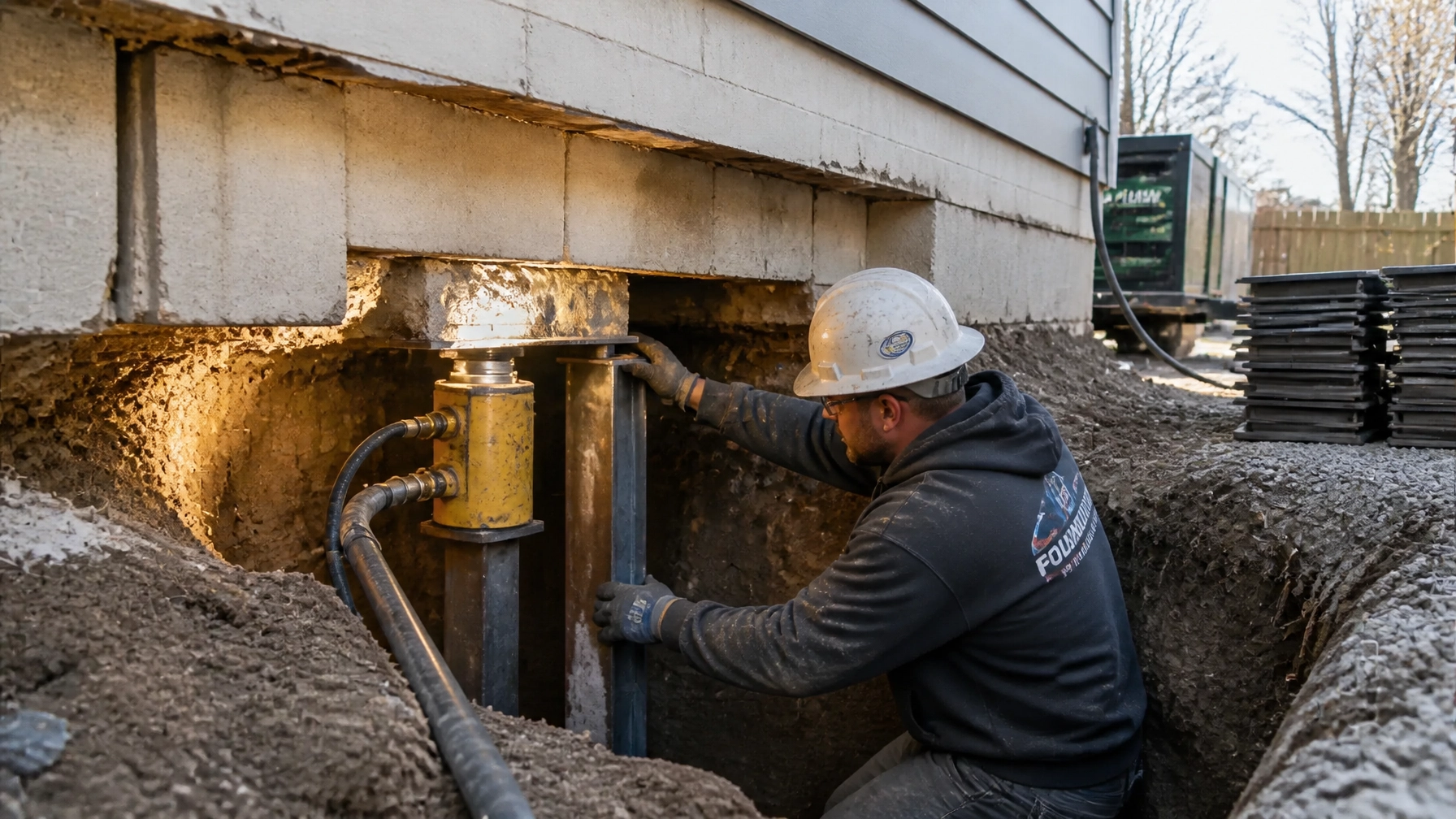
Owning a home in Fort Smith, Arkansas, comes with distinct joys, from historic neighborhoods near downtown to scenic views across the River Valley. However, local homeowners share a common challenge that isn’t always immediately visible beneath their feet: the ground itself. This leads to requiring foundation repair in Foundation Repair in Fort Smith, AR
With an average annual rainfall of around 47 inches and a climate defined by intense summer heat punctuated by heavy downpours, Fort Smith experiences dramatic seasonal moisture shifts. Beneath many local homes lies expansive clay soil. When this soil absorbs water, it swells significantly; during dry summer months or drought cycles, it shrinks and cracks. This relentless cycle of expansion and contraction exerts immense pressure on concrete slabs, crawl spaces, and basement walls.
Over time, this shifting environment can cause structural movement. Not every hairline crack is an emergency, but knowing the early warning signs helps you catch issues before they escalate into costly structural repairs. If you are noticing subtle changes around your property, understanding what to look for is the first step toward protecting your investment.
Sign #1: Interior Wall Cracks and Stair-Step Brick Cracks
One of the most common indicators that your foundation is experiencing settlement or shifting is the appearance of new cracks in your walls.
- Inside the Home: Keep an eye out for diagonal or jagged cracks in drywall and plaster, especially originating from the corners of doors and windows. While minor settlement cracks can happen in any new home, cracks that are wider than a nickel, growing over time, or running diagonally across drywall demand closer inspection.
- Outside the Home: On brick exteriors, look for “stair-step” cracks that follow the mortar lines diagonally up or across the wall. These patterns indicate that a section of the foundation is settling faster than the rest, placing shearing stress on the masonry.
If you observe these patterns, it is wise to consult a specialist in foundation repair in Fort Smith, AR to assess whether soil movement is compromising your exterior brickwork.
Sign #2: Sloping or Uneven Floors
Gravity is remarkably honest. If your floors no longer feel level, your foundation or subfloor support structure may be shifting out of alignment.
Homeowners often first notice this when a marble rolls across the kitchen floor on its own, or when they feel a distinct slope while walking down a hallway. In homes built over crawl spaces: very common throughout Western Arkansas: uneven floors can result from sinking wooden support piers, rotting floor joists, or moisture damage. In slab-on-grade homes, uneven flooring usually points to differential settlement beneath the concrete slab. Ignoring a sagging floor can eventually lead to warped hardwood, cracked tile, and compromised interior framing.
Sign #3: Sticking Doors and Windows
Are certain doors in your home suddenly hard to latch, or do they swing open on their own? Do windows that used to slide smoothly now jam halfway?
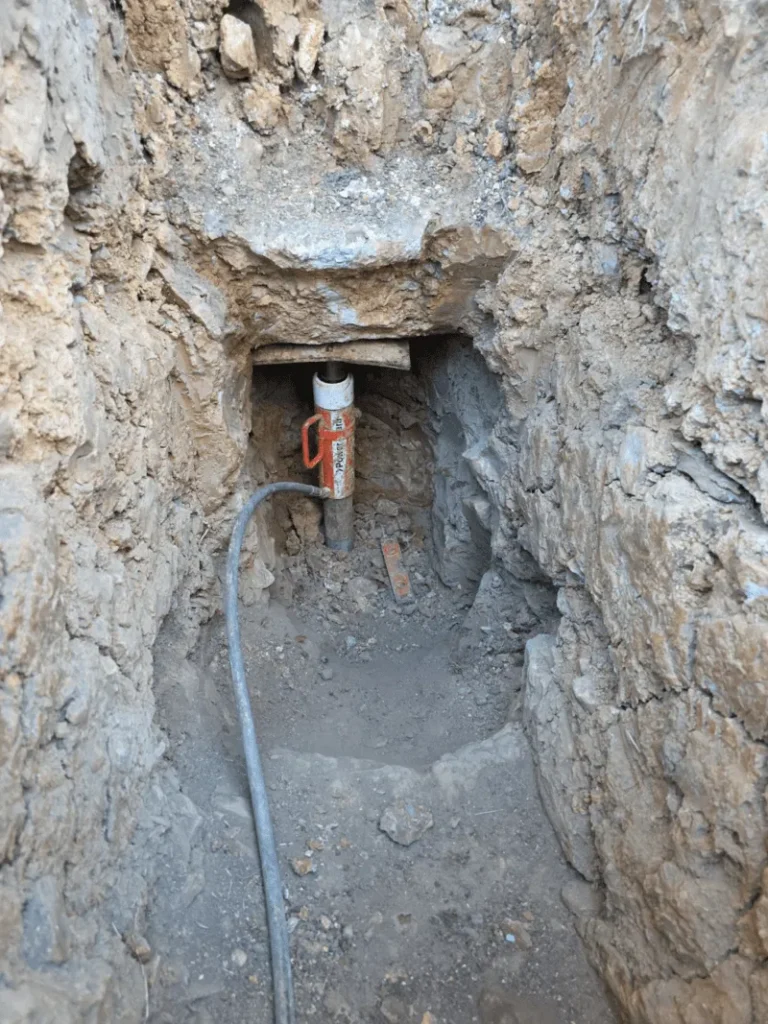
While wooden doors can sometimes swell during humid Arkansas summers, persistent sticking across multiple rooms is a classic red flag for foundation movement. When a foundation settles unevenly, the door and window frames are pulled out of square. The framing timber binds against the door, preventing smooth operation. If you notice several doors acting up in different parts of the house, it is rarely a coincidence and usually signals structural shifting.
Sign #4: Gaps Around Windows, Doors, and Baseboards
Take a close look at the trim around your interior doors, windows, and floorboards. Do you see widening gaps where the molding meets the wall? Are nails backing out of your drywall?
As walls shift and foundations settle, building materials separate from one another. You might notice daylight peeking through an exterior door frame or gaps opening up between your baseboards and hardwood floors. These gaps occur because different building components respond differently to structural stress, pulling apart at their weakest joints.
Sign #5: Water Intrusion in Basements and Crawl Spaces
Foundation issues and moisture problems go hand in hand. In Fort Smith’s clay-rich environment, heavy rains can pool around your foundation perimeter if proper grading or drainage is lacking.
If you notice standing water in your crawl space, damp basement walls, a persistent musty odor, or efflorescence (a white, powdery chalk on masonry), water is likely seeping through cracks or porous concrete. Over time, moisture saturation softens the supporting soil beneath your home, washing away stability and accelerating foundation settlement. Protecting your home often requires a combination of exterior waterproofing and effective foundation drainage solutions.
Sign #6: Foundation Settlement Visible From Outside
Your home’s exterior perimeter often tells the most accurate story about structural health. Walk around your property and inspect the exposed concrete or masonry foundation wall.
Look for horizontal, vertical, or diagonal cracks in the foundation itself. Additionally, check for exterior features pulling away from the house, such as a chimney tilting slightly away from the siding, or porch steps separating from the main structure. These movements indicate that specific sections of your foundation are losing ground support.
When to Call a Professional and What to Expect
Seeing these signs can be unsettling, but early detection is your greatest advantage. Addressing foundation movement before it impacts your home’s framing and roofline saves both time and money.
When you schedule a professional evaluation with experienced local specialists, the process should be straightforward, transparent, and low-pressure:
- Thorough On-Site Inspection: A trained technician examines both the interior and exterior of your home, measuring elevation changes, checking crack patterns, and inspecting crawl spaces or basements.
- Root Cause Analysis: Instead of just patching cracks cosmetically, experts identify why the movement is happening: whether due to expansive clay soil, poor drainage, or normal settling.
- Customized Repair Plan: You receive a detailed, clear explanation of recommended solutions, which may include steel piering systems, stabilization brackets, crawl space encapsulation, or drainage improvements.
Every home is unique, and reliable professionals will tailor their approach to your specific structural needs and budget.
Take the Next Step Toward Peace of Mind
If you’ve noticed any of these warning signs around your Fort Smith home, you don’t have to guess at the solution. Get a professional assessment to understand exactly what’s happening beneath your floors.
Ready to restore your peace of mind? Schedule your free inspection today with WC Foundation Experts, and let our 25 years of combined industry experience protect your home for the long run.